
Every show produces a pile of contacts. The question is how many turn into real conversations afterwards. A little structure on the stand makes a big difference to how much business a show produces.
Decide what a good lead looks like
Before the show, agree with your sales team what makes a lead worth following up. Budget, timing, role, project? Keep it to three or four simple questions the team can ask naturally in conversation, rather than a form to fill in.
Capture the context, not just the contact
A name and an email address on their own are hard to follow up. Add a quick note: what they’re interested in, how warm they are and what you promised to send. Most lead apps let you add notes or tags in seconds, and those few words are what make a follow-up feel personal.
Grade as you go
A simple A, B, C works well:
- A: ready to talk now. Call within a day or two.
- B: interested, longer timescale. Send the information they asked for and agree a next step.
- C: general interest. Add to your newsletter and stay in touch.
Make it easy on the stand
- Have one agreed method for everyone. Mixing apps, paper and business cards makes follow-up harder.
- Test the app or scanner before the doors open, on every device.
- Keep a paper backup in case the wifi struggles.
- Review leads at the end of each day while they’re fresh, and add any missing notes.
Design the stand for conversations
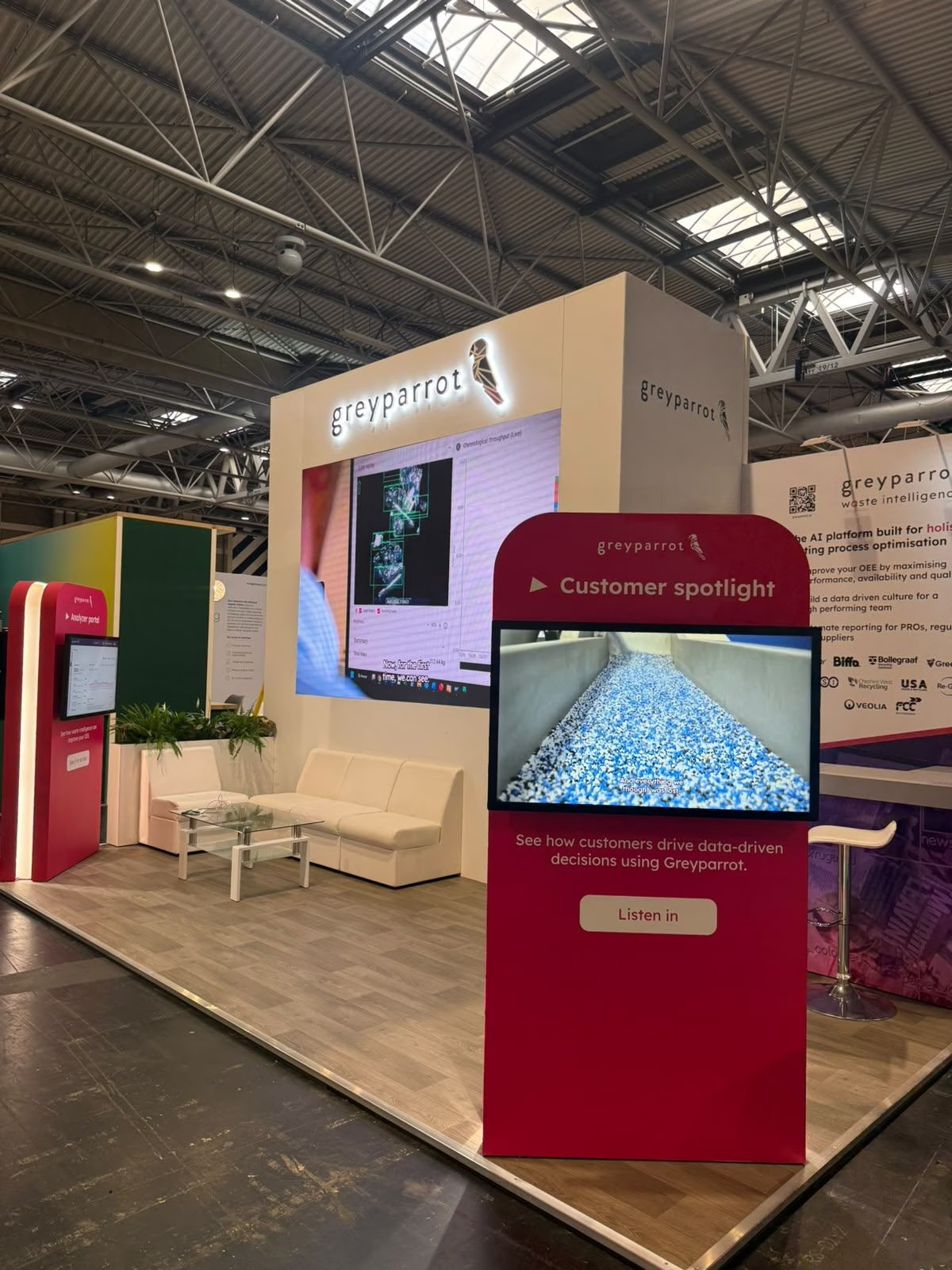
Lead capture starts with the layout. An open front, a team standing at the edge of the stand and somewhere to have a slightly longer chat all help. A counter or tablet near the front makes capturing details feel natural rather than awkward.
Follow up fast
Aim to contact your best leads within two working days. Mention something from your conversation so they remember you among everyone else they met. Send what you promised, and suggest a clear next step: a call, a demo or a visit.
Know what it’s worth
Our free leads and return calculator shows how many conversations, leads and new customers your show could bring, using your own numbers. It’s a useful way to set targets before the show, and to make the case for next year’s budget afterwards.
Learn from every show
After each event, look at how many leads became opportunities and sales. Over a few shows, you’ll see which events, messages and stand layouts work best, and you can plan the next one with real numbers.